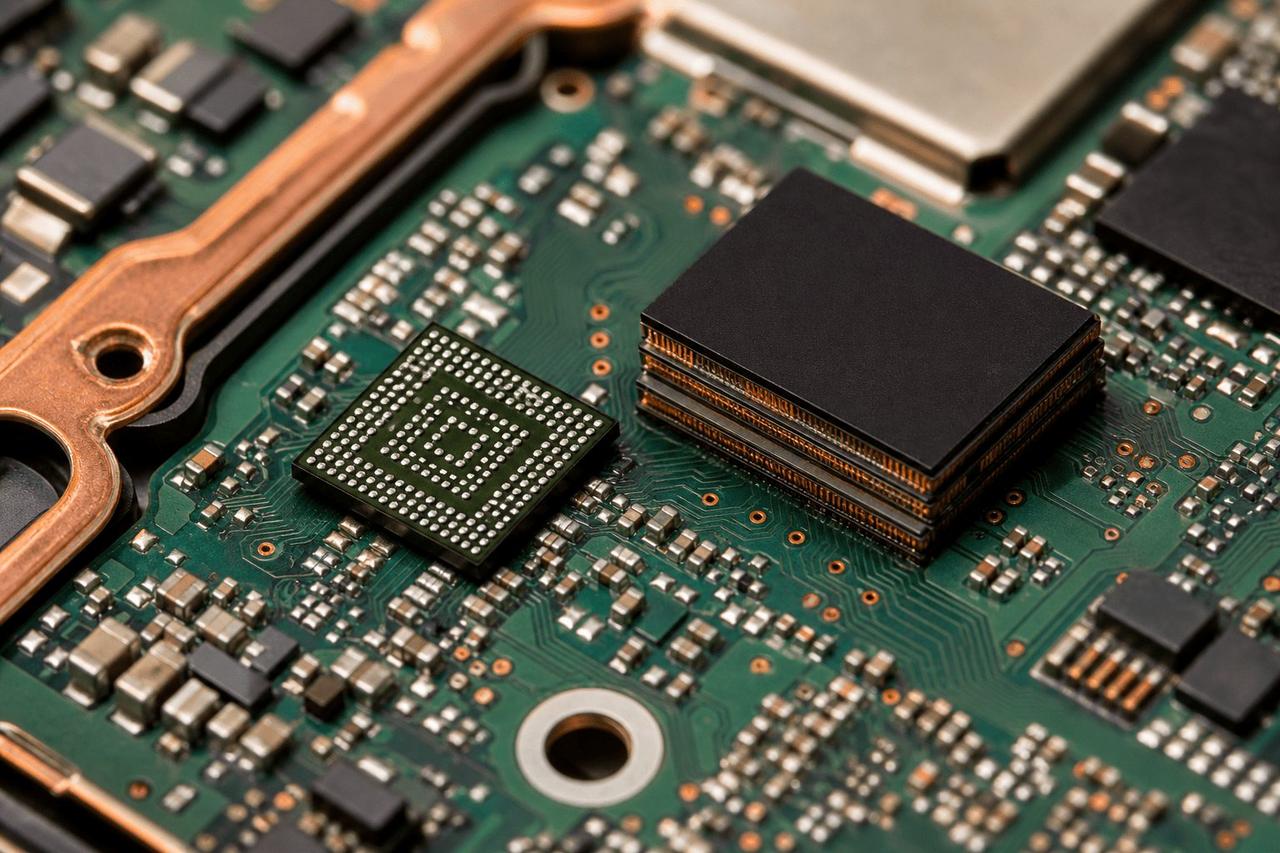
On-device AI increases peak currents and interface activity, making ESD/TVS and power-path protection more critical on compact layouts.
ChipNobo protection devices and PMIC references help teams stabilize rails while preserving signal integrity on high-speed ports such as USB-C.
Designers should pair category-level parametric filters with application pages under Consumer Electronics and Communication & Network for terminal-level context.
FAQ
Why do on-device AI boards need stronger ESD/TVS?
Higher peak currents and more active high-speed ports increase transient risk near USB-C and battery paths; documented clamping and capacitance profiles shorten bring-up.