Tech Blog
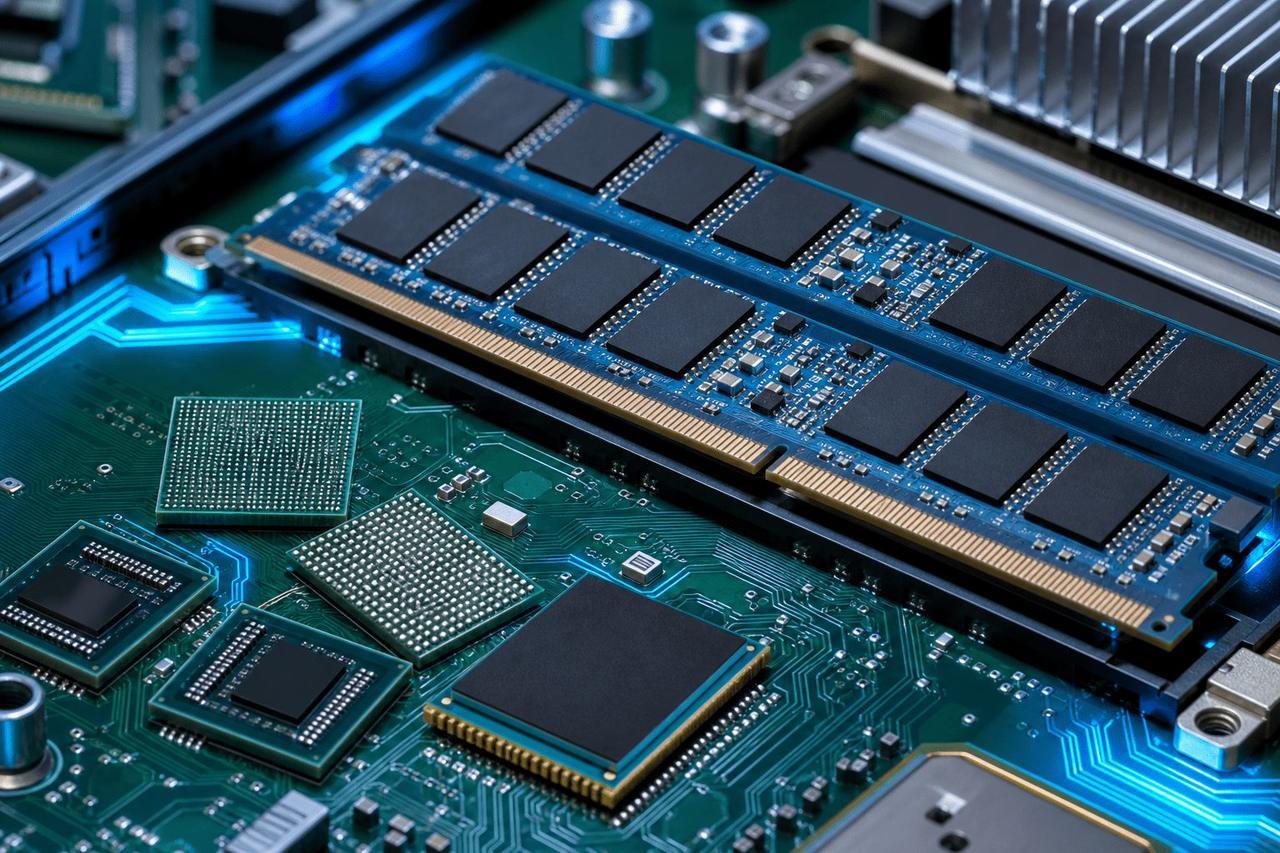
How mature ChipNobo power and interface devices support evolving AI board topologies around pooled memory. As memory topologies evolve toward pooling, auxiliary rails, hot-plug protection, and firmware storage remain foundational design concerns for OEM architects. ChipNobo catalogs map these building blocks—PMIC, protection, and interface devices—so architects can focus on system differentiation rather than commodity selection friction.
· Tech Blog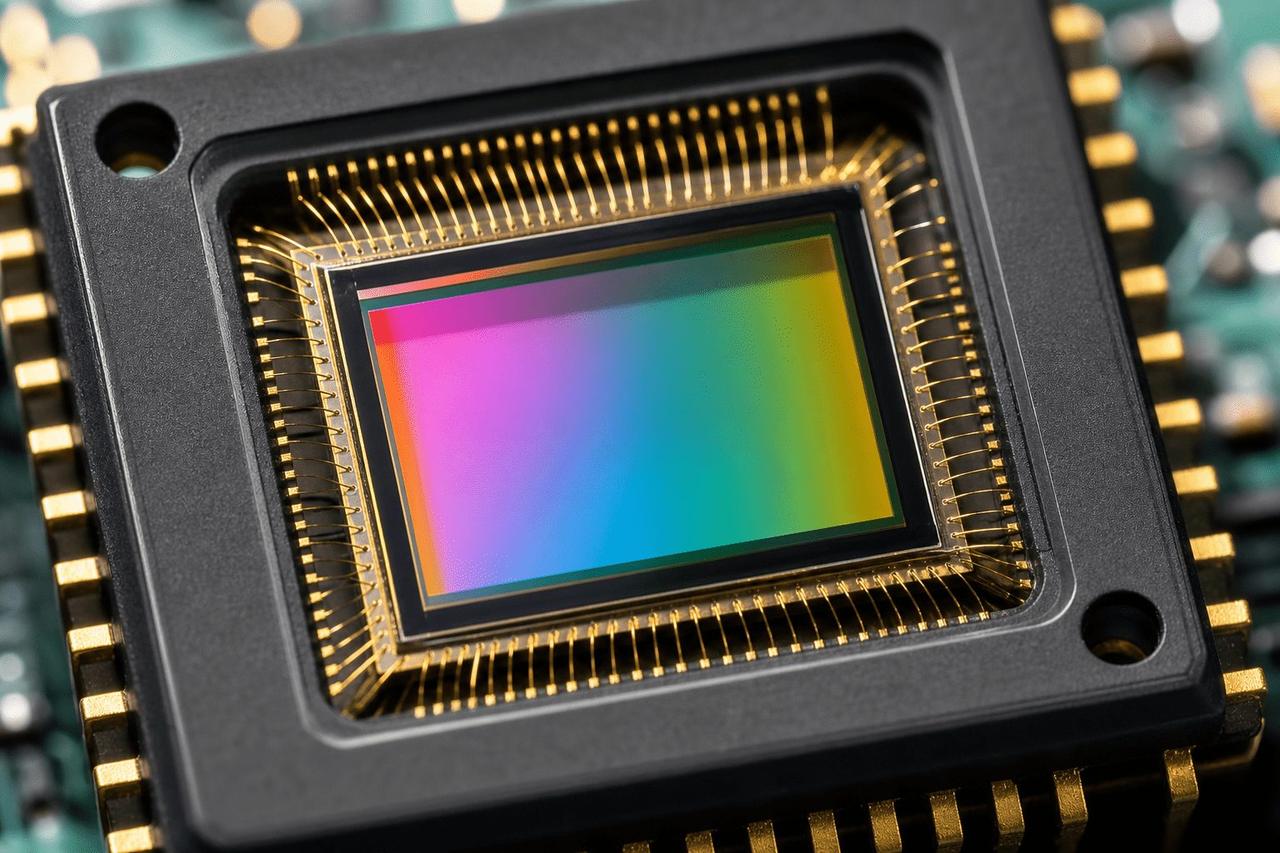
Low-noise LDO and protection choices from ChipNobo that keep sensing chains clean as resolution climbs. Precision sensing chains are sensitive to ripple and transient events on nearby digital rails. Higher pixel rates amplify the impact of noisy LDOs and missing ESD paths. Selecting ChipNobo LDO and ESD options with documented noise and capacitance profiles shortens bring-up cycles for imaging and industrial sensing modules.
· Tech Blog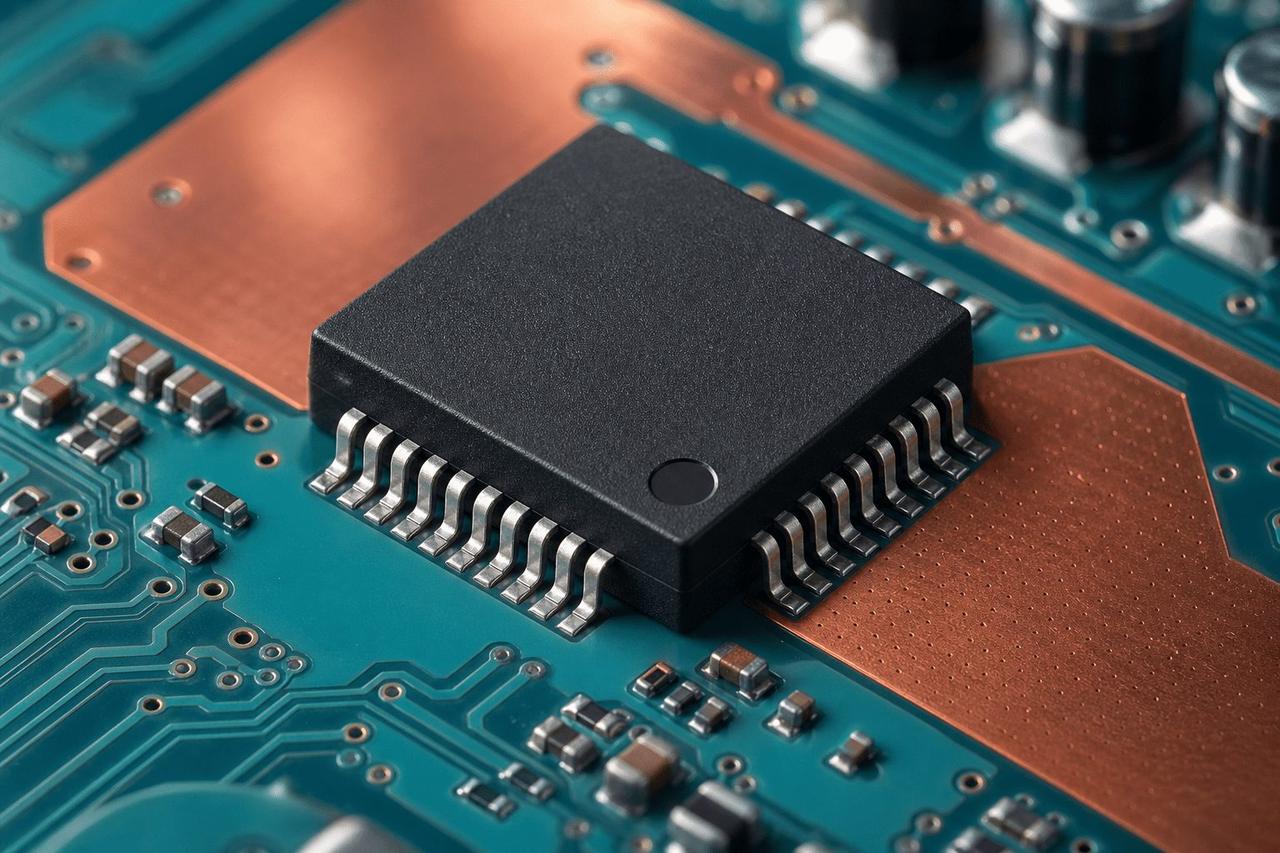
A practical ChipNobo view of rail design around high-performance storage controllers and SSD platforms. Controller rails, backup paths, and interface ESD protection remain recurring BOM decisions across storage platforms — even when the headline feature is capacity or protocol speed. ChipNobo recommends treating power integrity and protection as first-class selection criteria alongside memory and interface ICs, with lifecycle status visible on every product detail page.
· Tech Blog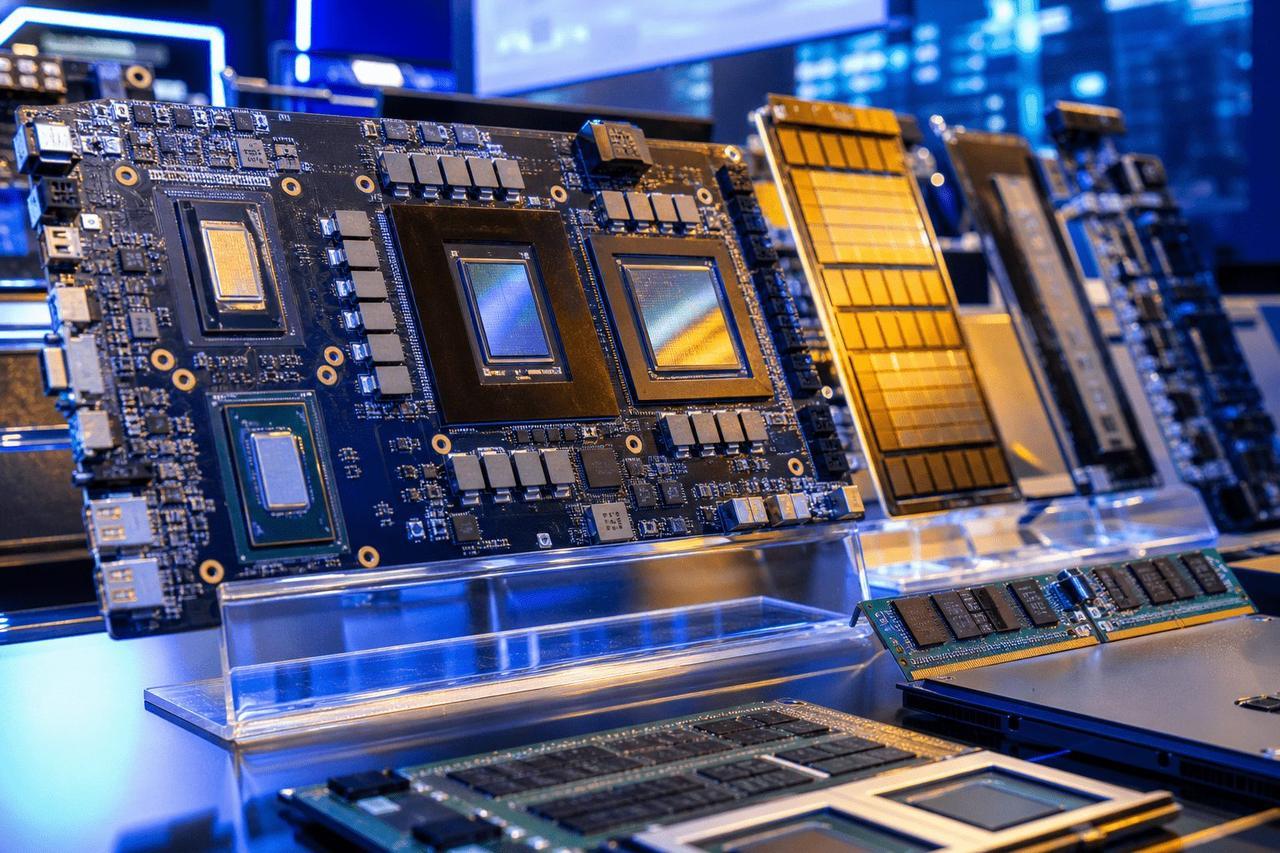
Thermal, protection, and conversion trends ChipNobo observed across AI hardware demos at COMPUTEX 2026. Show floors continue to emphasize higher conversion frequency, denser protection near connectors, and clearer lifecycle messaging for industrial buyers evaluating AI hardware. ChipNobo’s takeaway for OEM teams: prioritize documented electrical windows and package options that survive denser layouts, then align supply continuity early with regional offices.
· Tech Blog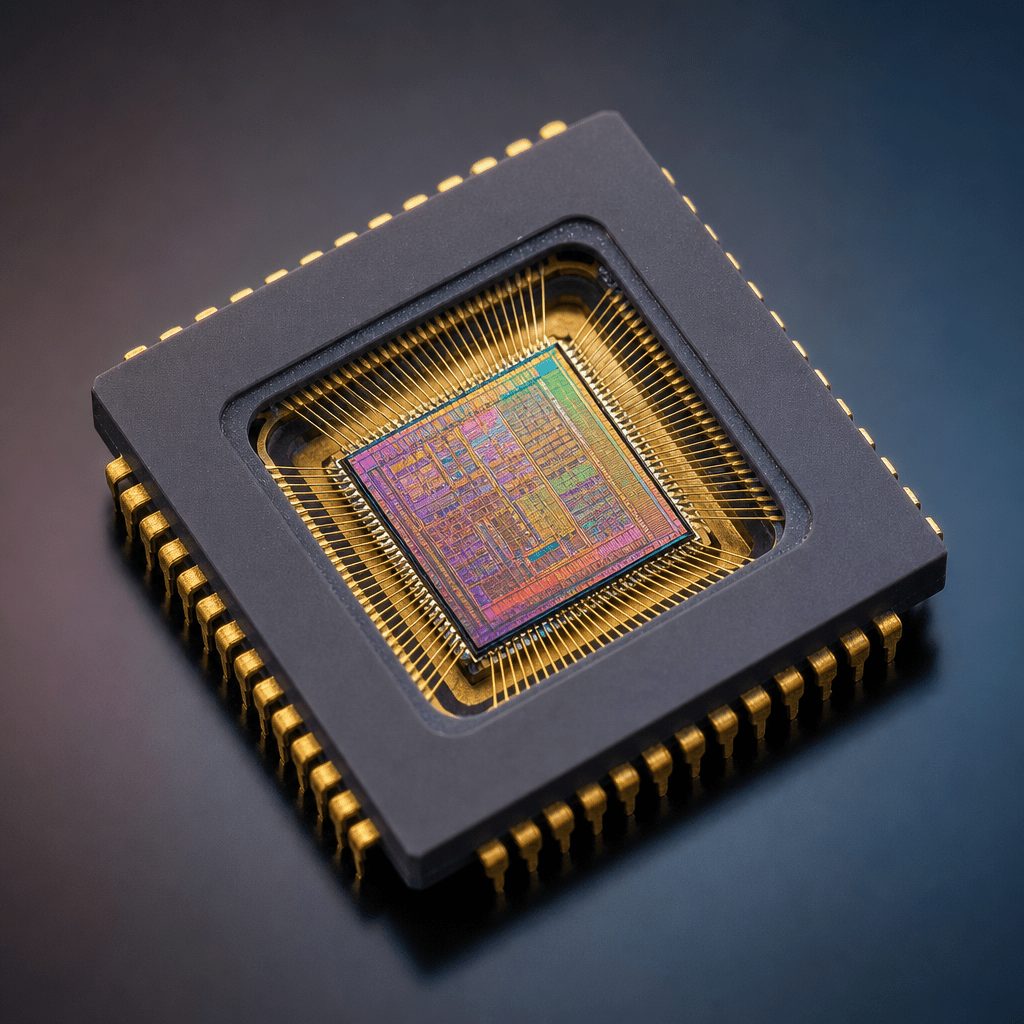
Why analog cleanliness and transient defense from ChipNobo matter as sensor resolution climbs. Higher resolution increases data rates and power activity, raising the cost of noisy or unprotected rails around the sensor and ISP. A “true” high-megapixel experience depends as much on quiet analog rails and controlled transients as on the sensor itself. ChipNobo LDO, analog, and ESD categories help close that gap.
· Tech Blog