
News
Product launches, replacement engineering notes, and supply continuity updates from across the ChipNobo network.
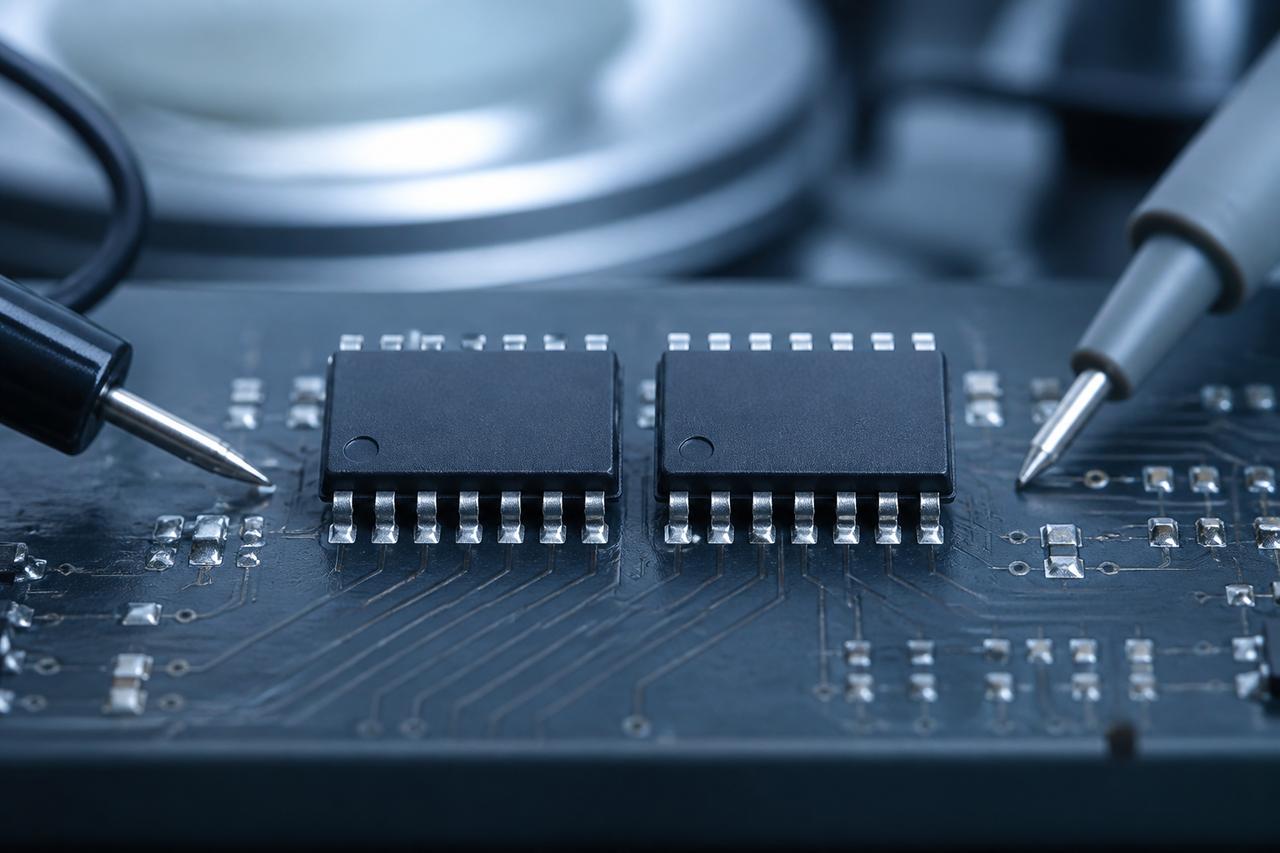
Pin-to-Pin Semiconductor Replacement Guide for OEM Design Teams
Learn how OEM engineers evaluate pin-to-pin semiconductor alternatives — package, electrical windows, and validation — before a board respin. Practical steps from ChipNobo replacement engineering.
Learn how OEM engineers evaluate pin-to-pin semiconductor alternatives — package, electrical windows, and validation — before a board respin. Practical steps from ChipNobo replacement engineering. Why pin-to-pin replacement matters for long OEM programs When a mature semiconductor enters NRND or faces supply risk, OEM teams ask one practical question first: can we keep the same PCB?
· News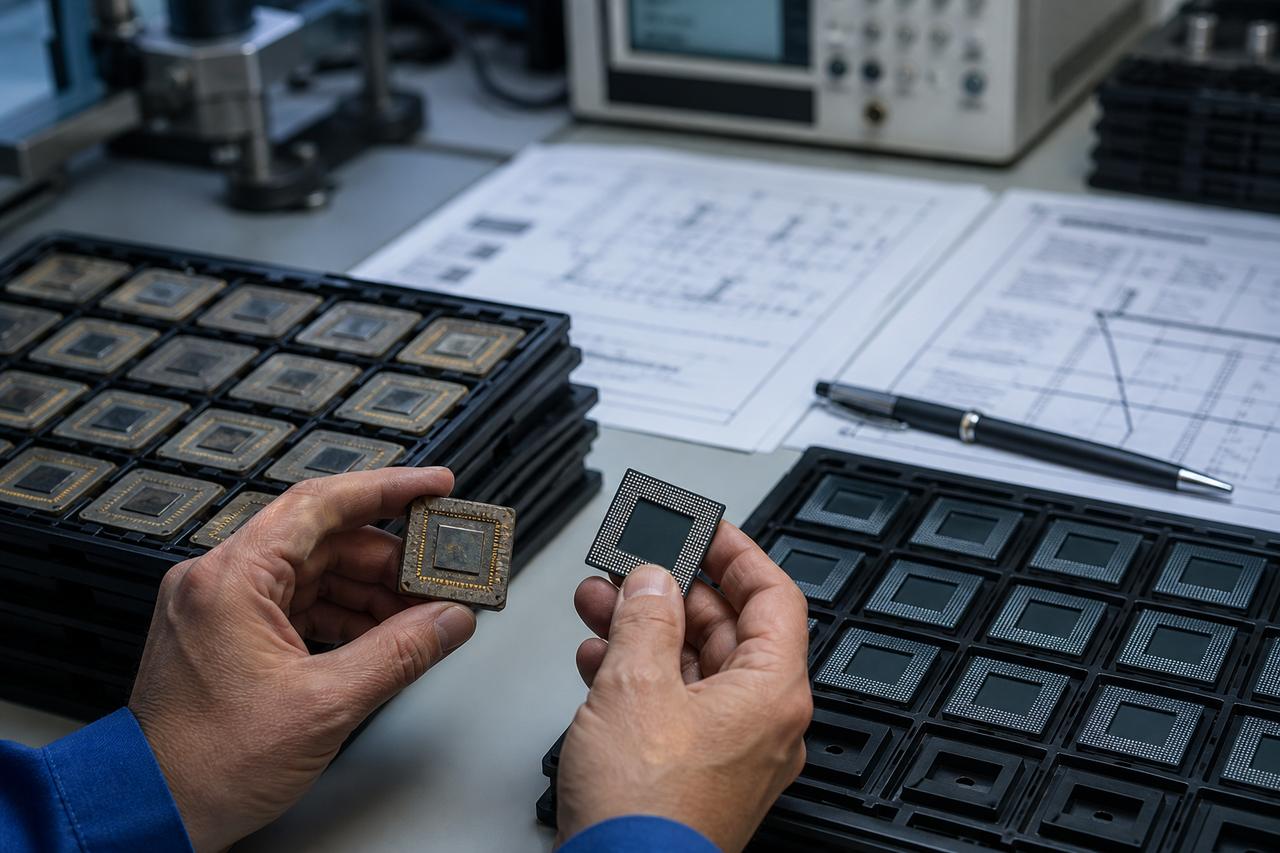
NRND is the decision window; EOL is the deadline. This ChipNobo guide explains what OEM teams should do at each semiconductor lifecycle status to protect long-life production. NRND is a planning signal, not just a status label Many OEM boards use mature semiconductors that stay in production for years. Lifecycle notices still arrive — NRND first, then EOL.
· News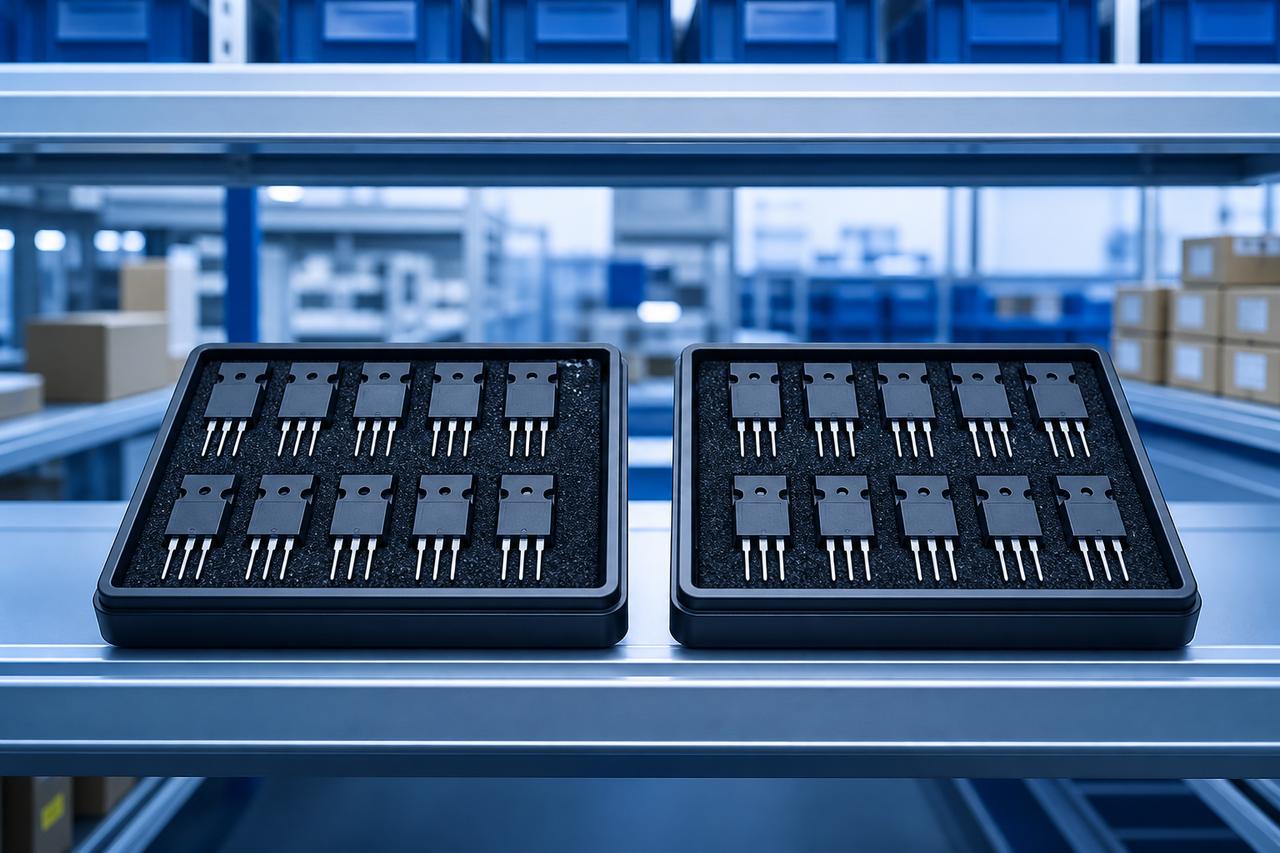
Single-source semiconductors create hidden risk for 5–15 year OEM programs. This ChipNobo guide shows how to build a practical second-source strategy with engineering proof and supply planning. Why single-source risk grows with product life A component that looks stable today can still leave a 10-year OEM program exposed. Supplier portfolio changes, capacity shifts, and NRND notices often arrive mid-life.
· News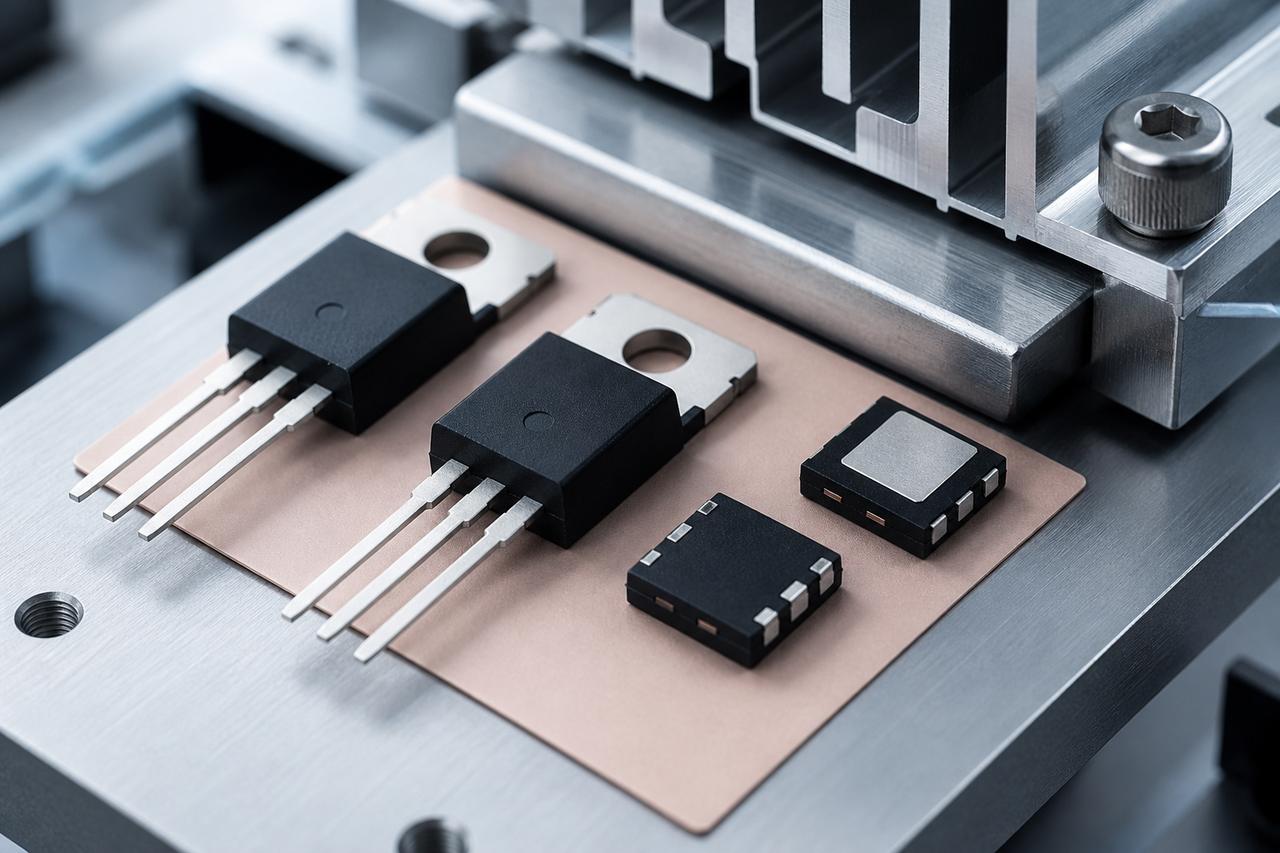
Replacing a power MOSFET mid-program is common for industrial OEMs. Use this ChipNobo checklist to compare electrical ratings, package constraints, and thermal limits before you approve an alternate. MOSFET swaps are common — silent mismatches are costly Industrial power stages, motor drives, and adapters often need a MOSFET alternate when lifecycle or cost pressure appears. A fast catalog match is not enough.
· News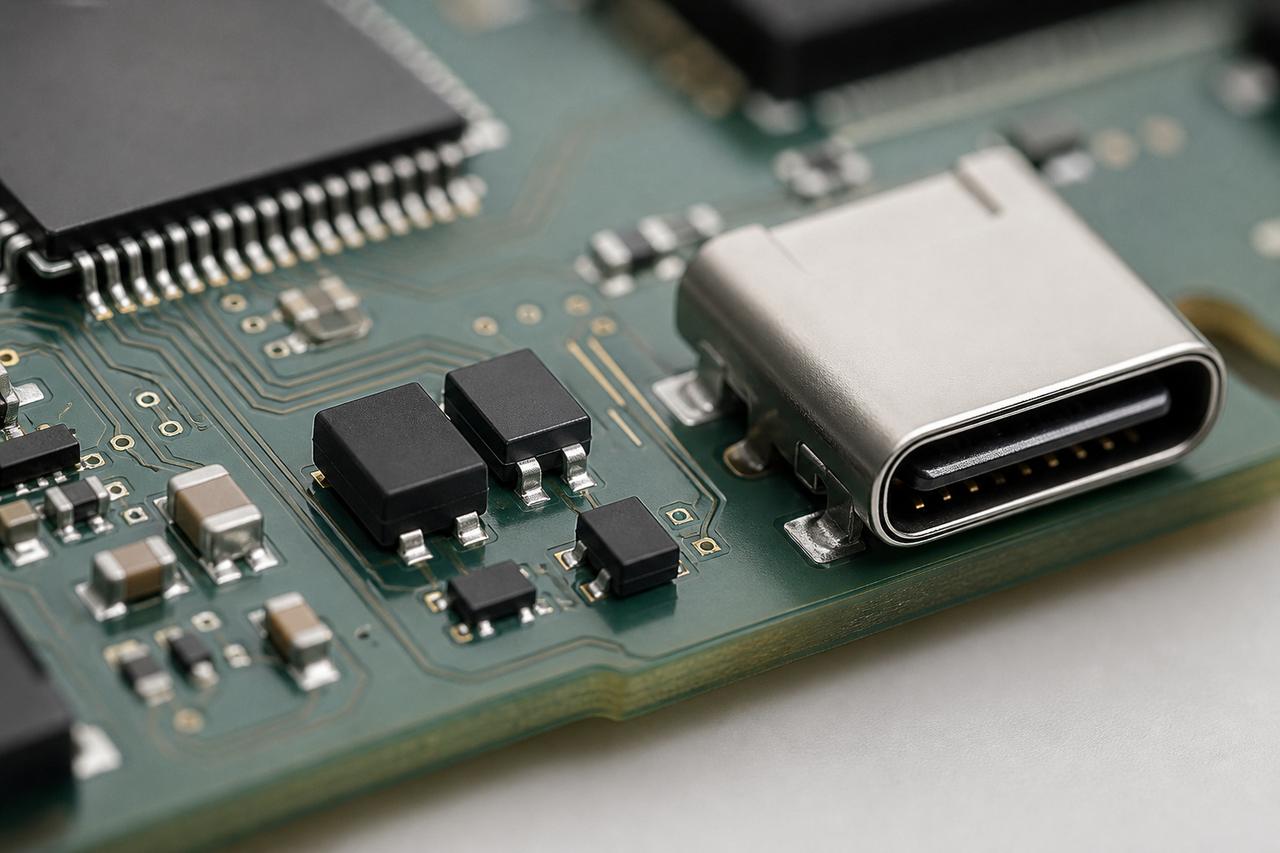
Choose TVS diodes with clear clamping, capacitance, and package rules for USB, CAN, and power rails. This ChipNobo guide helps OEM engineers avoid over-protection and signal integrity mistakes. Protection parts fail quietly when selected only by voltage OEM boards fail ESD or surge tests when TVS devices are undersized, too capacitive, or placed too far from the connector.
· News
Mature semiconductor technologies are widely available — but for OEMs with long product lifecycles, supply continuity remains complex. ChipNobo bridges manufacturing resources with long-term OEM requirements. Mature Semiconductor Technologies Are Widely Available — But Supply Continuity Remains Complex The semiconductor industry has achieved a highly developed and diversified manufacturing ecosystem.
· News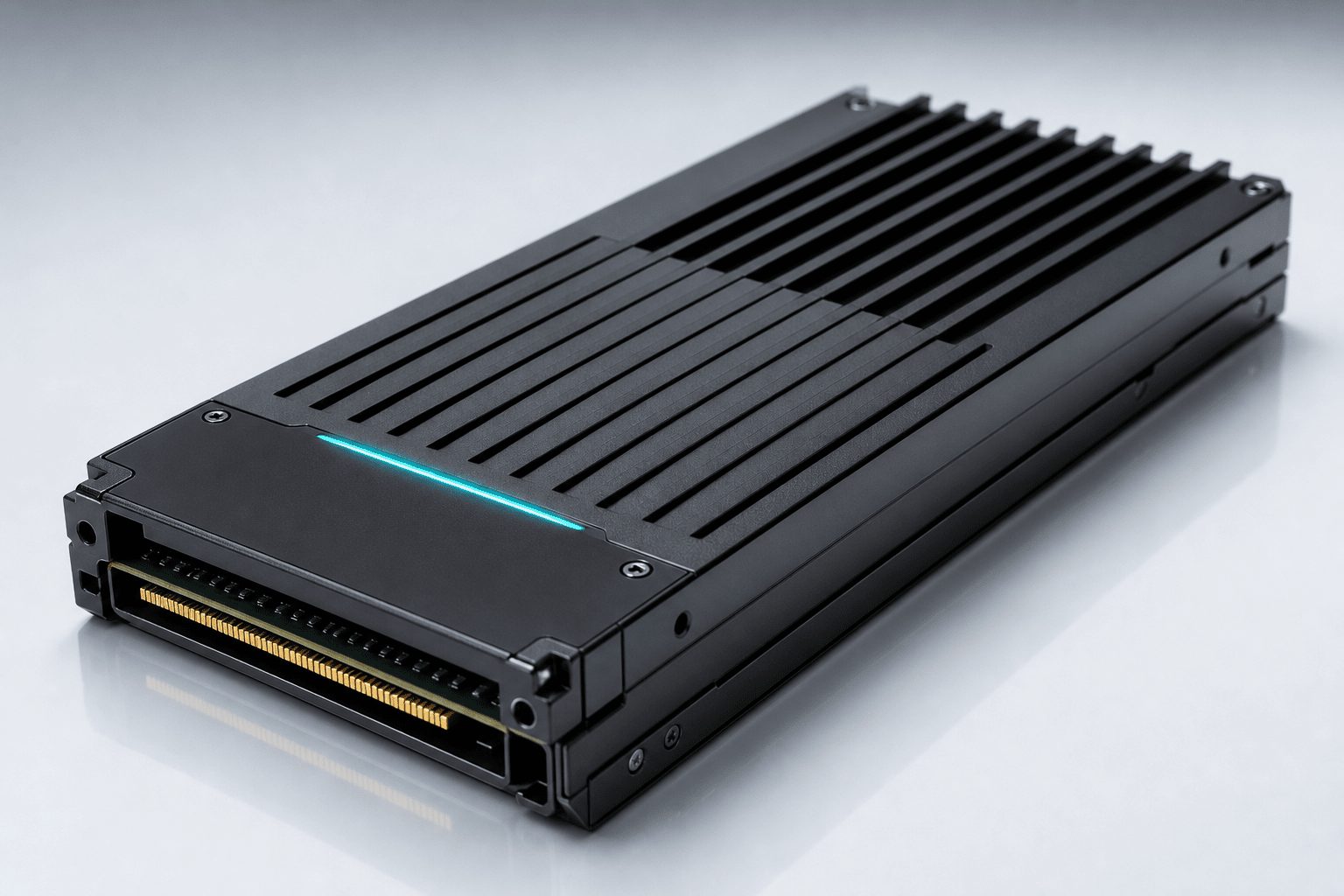
New ChipNobo reference options help dense compute boards balance efficiency, rail protection, and firmware storage for AI servers. AI servers and accelerators demand tighter power integrity, robust interface protection, and dependable non-volatile storage for boot and telemetry. Dense boards raise the cost of noisy rails, weak ESD defense, and unclear lifecycle status. ChipNobo is expanding MOSFET, GaN, LDO, and SPI NOR Flash reference options that map to common datacenter power trees and board architectures. Catalog parts use a consistent naming convention so engineering teams can track package, thermal, and electrical windows consistently.
· News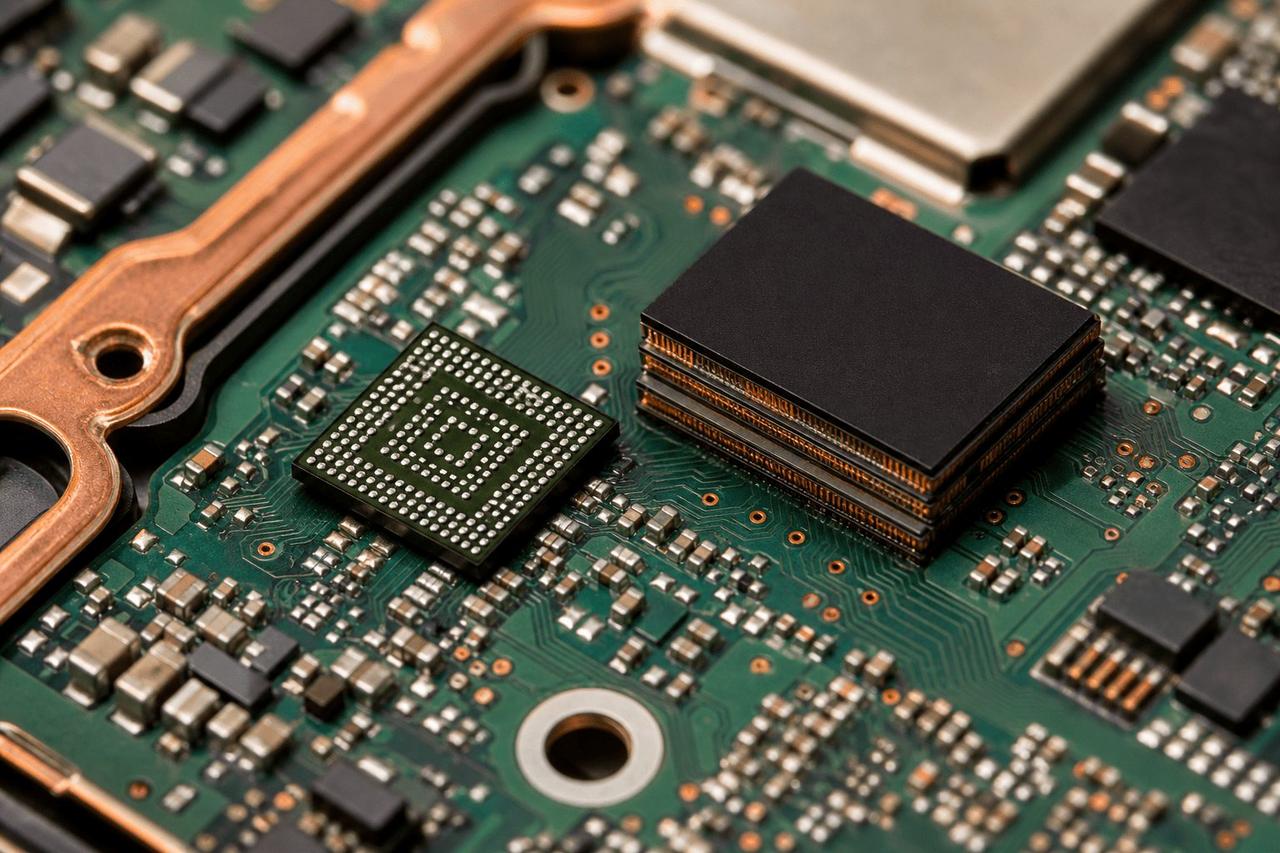
Handheld and edge AI platforms continue to push USB-C, battery, and rail protection requirements — ChipNobo maps protection and PMIC references for these boards. On-device AI increases peak currents and interface activity, making ESD/TVS and power-path protection more critical on compact layouts. ChipNobo protection devices and PMIC references help teams stabilize rails while preserving signal integrity on high-speed ports such as USB-C.
· News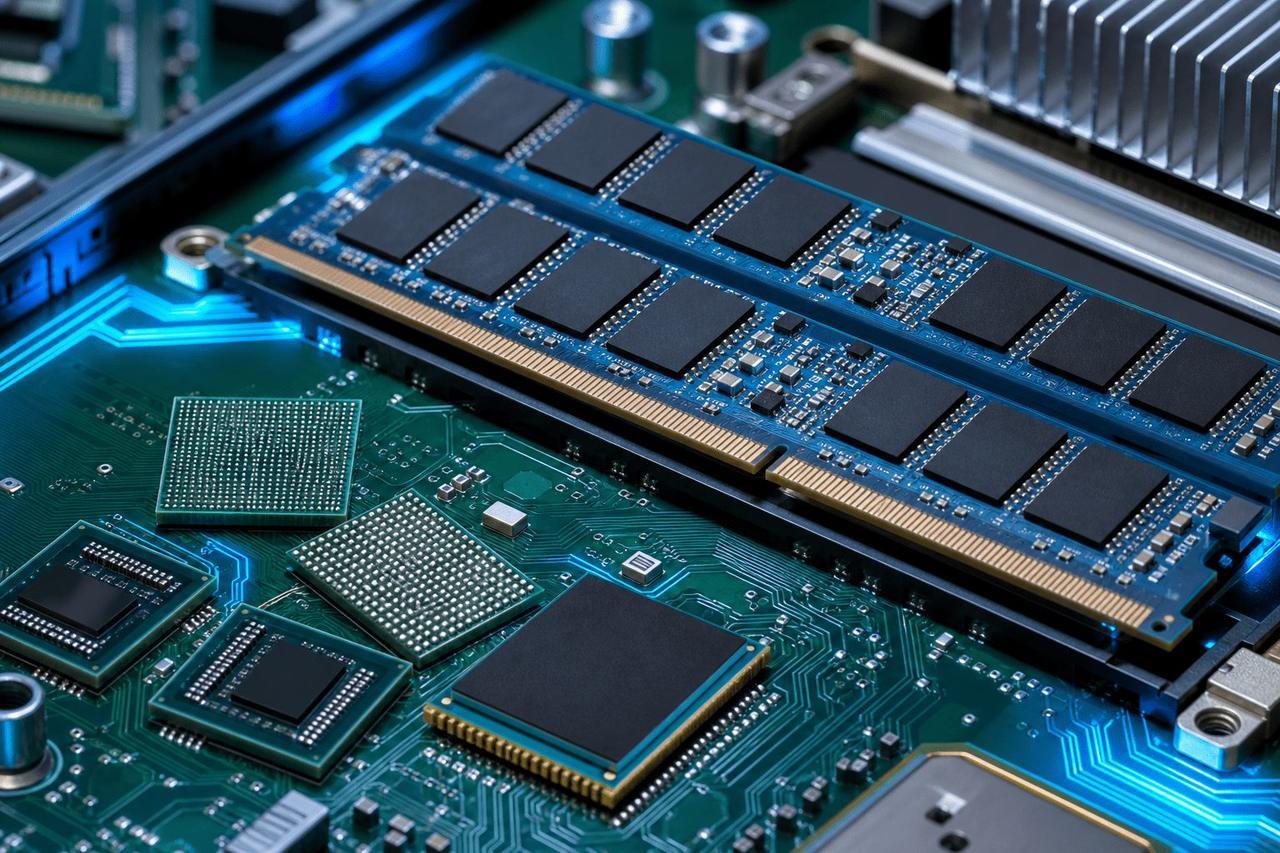
How mature ChipNobo power and interface devices support evolving AI board topologies around pooled memory. As memory topologies evolve toward pooling, auxiliary rails, hot-plug protection, and firmware storage remain foundational design concerns for OEM architects. ChipNobo catalogs map these building blocks—PMIC, protection, and interface devices—so architects can focus on system differentiation rather than commodity selection friction.
· Tech Blog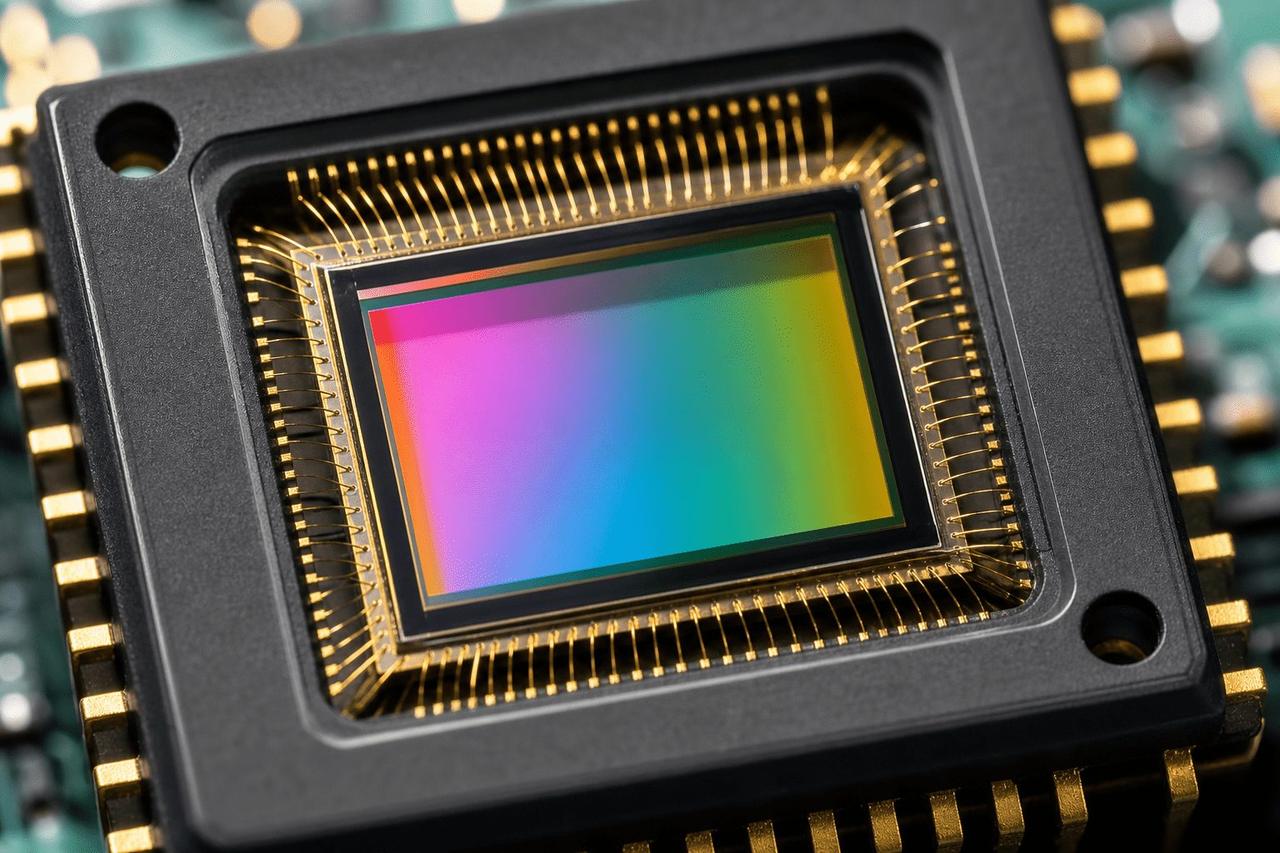
Low-noise LDO and protection choices from ChipNobo that keep sensing chains clean as resolution climbs. Precision sensing chains are sensitive to ripple and transient events on nearby digital rails. Higher pixel rates amplify the impact of noisy LDOs and missing ESD paths. Selecting ChipNobo LDO and ESD options with documented noise and capacitance profiles shortens bring-up cycles for imaging and industrial sensing modules.
· Tech Blog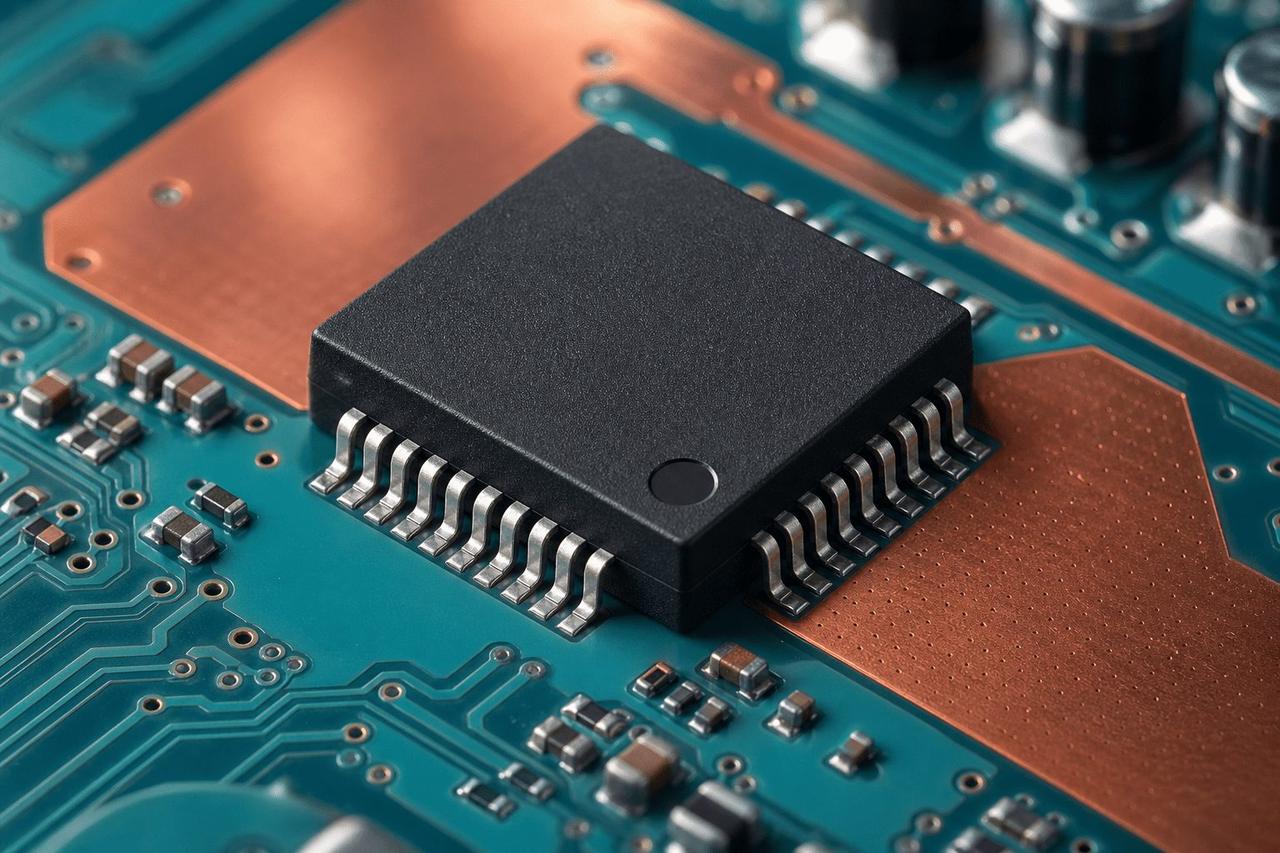
A practical ChipNobo view of rail design around high-performance storage controllers and SSD platforms. Controller rails, backup paths, and interface ESD protection remain recurring BOM decisions across storage platforms — even when the headline feature is capacity or protocol speed. ChipNobo recommends treating power integrity and protection as first-class selection criteria alongside memory and interface ICs, with lifecycle status visible on every product detail page.
· Tech Blog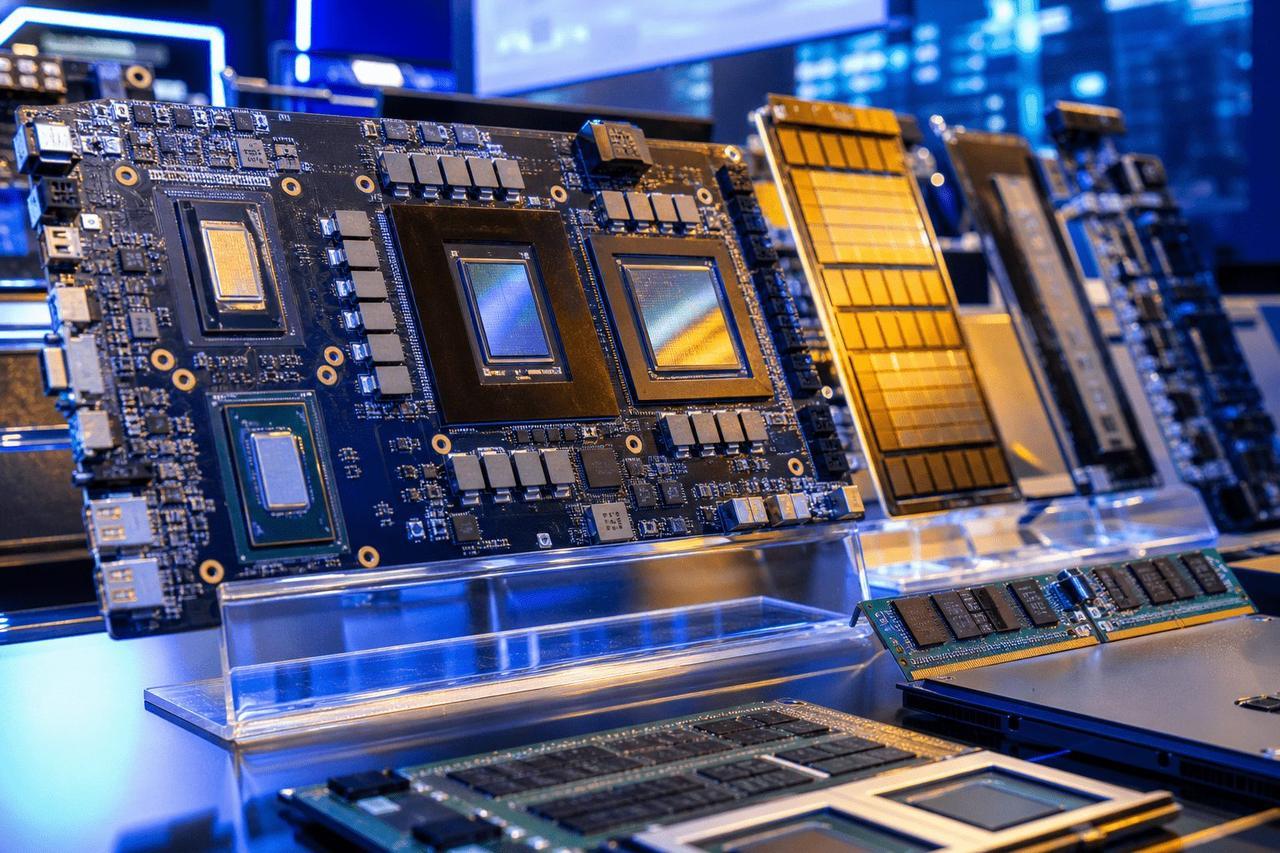
Thermal, protection, and conversion trends ChipNobo observed across AI hardware demos at COMPUTEX 2026. Show floors continue to emphasize higher conversion frequency, denser protection near connectors, and clearer lifecycle messaging for industrial buyers evaluating AI hardware. ChipNobo’s takeaway for OEM teams: prioritize documented electrical windows and package options that survive denser layouts, then align supply continuity early with regional offices.
· Tech Blog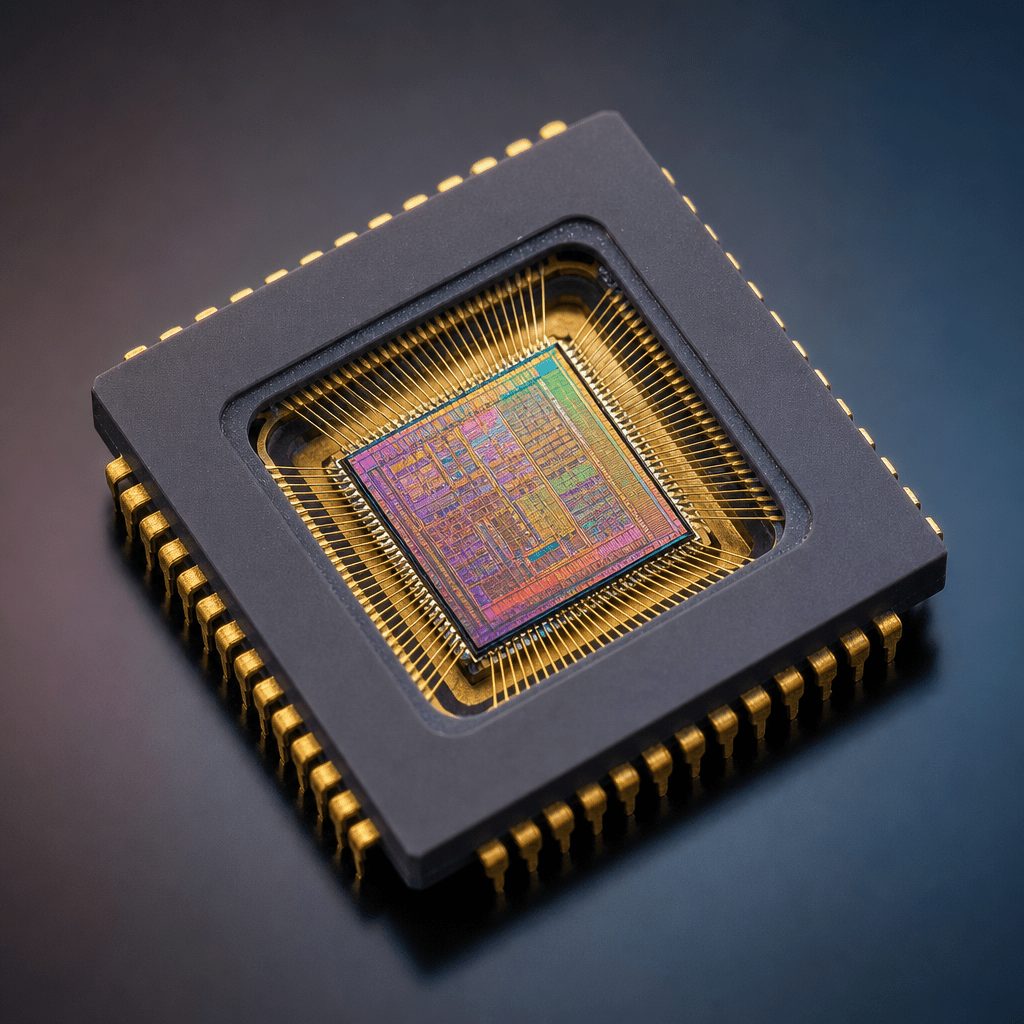
Why analog cleanliness and transient defense from ChipNobo matter as sensor resolution climbs. Higher resolution increases data rates and power activity, raising the cost of noisy or unprotected rails around the sensor and ISP. A “true” high-megapixel experience depends as much on quiet analog rails and controlled transients as on the sensor itself. ChipNobo LDO, analog, and ESD categories help close that gap.
· Tech Blog